
Compassionate Veterinary Care in West Linn, OR
Our West Linn Veterinary Services Include Canine Care|Feline Care|Holistic Care|Pet Dentistry|Surgery|Telemedicine

Our Compassionate Staff Will Make Sure Your Pet is Happy and Comfortable
We believe in exceeding your expectations! We go the extra mile for all our clients and patients so that your pet receives the best possible care and that you receive exceptional Veterinary services in West Linn.
Why Choose West Linn Veterinarians at Cascade Summit?
Cascade Summit Animal Hospital is a full-service animal hospital in West Linn, providing medical, dental, diagnostic, and surgical care for your family pet. Dr. Kellie Kietzman provides rehabilitation services as part of our comprehensive approach to pet health.
We understand the special role your pet plays in your family and are dedicated to becoming your partner in your pet’s health care.
We treat your furry friend as we would our own, and together, we will keep your pet happy and healthy for a long life together. We are committed to our community with local care and personalized service. For more on our West Linn animal hospital, please read the link A Word From Dr. Ortner located on our About Us page.
Client Resources
Online Forms
Cascade Summit Animal Hospital is pleased to provide these forms for your convenience. Save time at your pet’s visit with us.
Online Store
Cascade Summit Animal Hospital is pleased to provide our clients with an online store through Covetrus.
Family-owned and Serving West Linn for Over 20 Years
pets helped

Meet Dr. Laura Ball
Dr. Ball earned her BA in Environmental Science from Northwestern University in 2000. After working as an environmental scientist, she realized her true calling was veterinary medicine. She returned to school and finished her DVM from the University of Wisconsin-Madison in 2008.
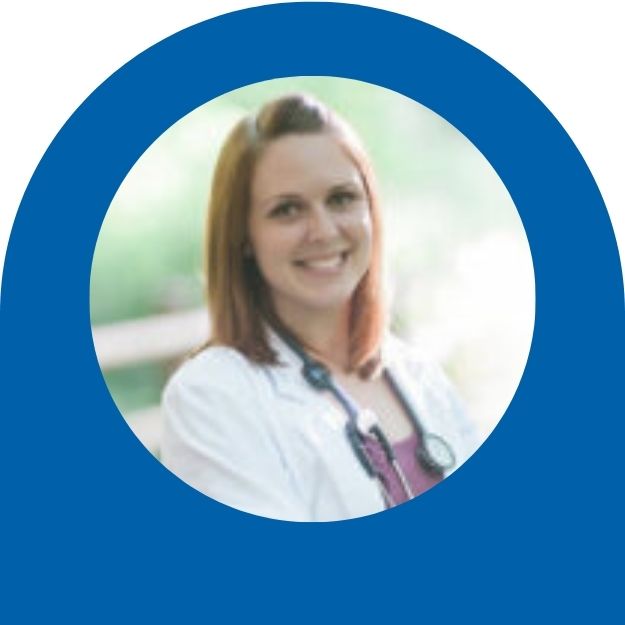
Meet Dr. Kellie Kietzman
Dr. Kellie Kietzman grew up in Southern California. She spent many summers on her grandparents’ ranch surrounded by horses, cattle, and all sorts of critters! This is what first sparked her love of animals.
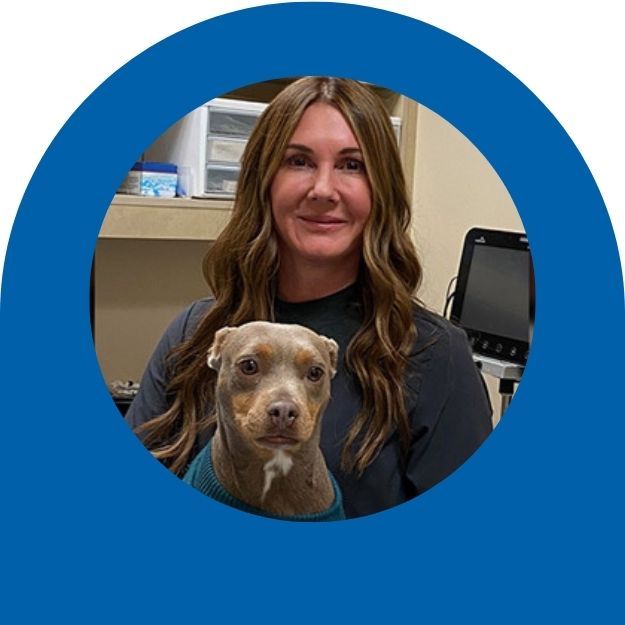
Meet Dr. Christine Ortner
Dr. Christine Ortner graduated from Texas A&M in 1995 and has been caring for pets and their families ever since. Dr. Ortner is deeply committed to providing thoughtful, compassionate care and values the long-term relationships she builds with both her patients and their owners.
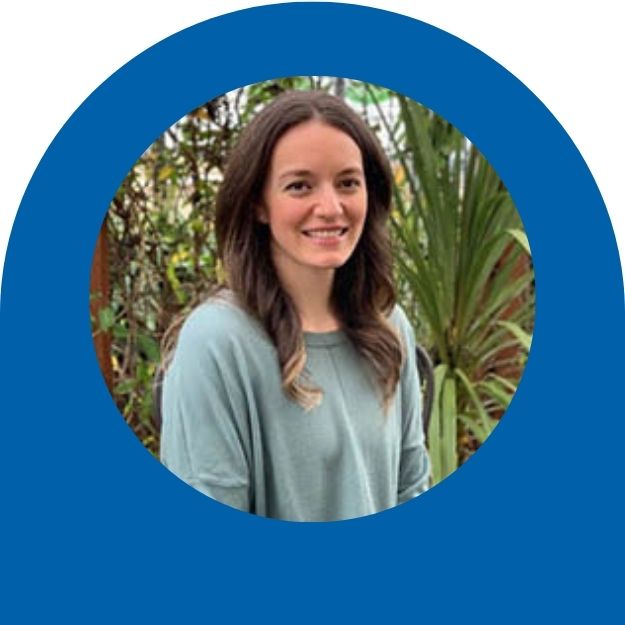
Meet Dr. McKenna Martindale
Dr. Martindale is an Oregon native who graduated from Oregon State University with her veterinary degree in 2016. Her professional interests include dermatology, preventive medicine, internal medicine, and geriatric care. She is a member of the American Veterinary Medicine Association (AVMA) and the Portland Veterinary Medicine Association (PVMA).
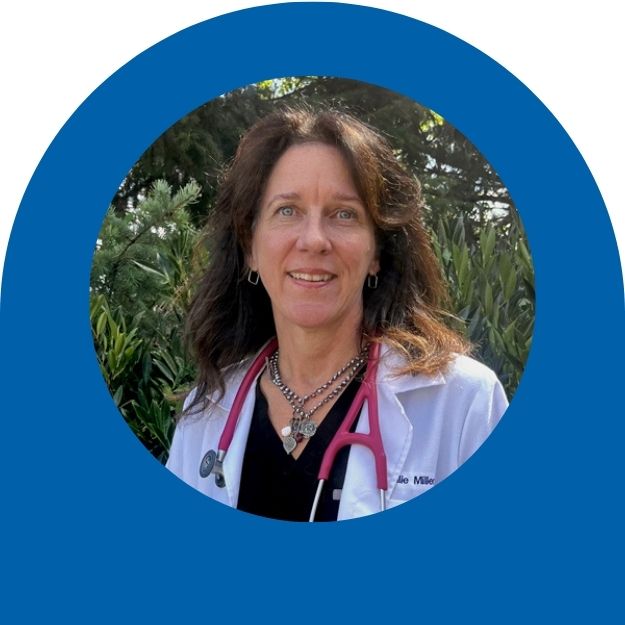
Meet Dr. Julie Miller
A graduate of UC Davis veterinary school, Dr. Miller cared for the pet families of the Bay Area for over 20 years. Now a happy transplant to the PNW, she is excited to join the wonderful team at Cascade Summit and to provide compassionate care to the pets of the local community.
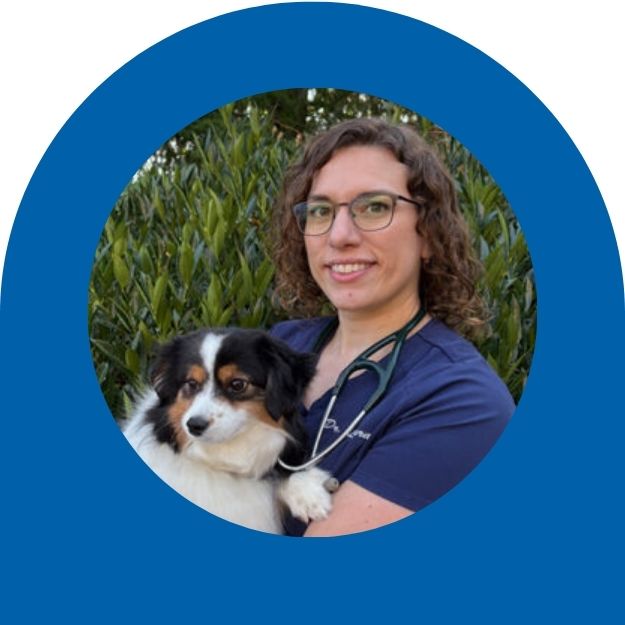
Meet Dr. Laura Liu
Dr. Laura is a Portland native who graduated from Oregon State University College of Veterinary Medicine in 2015. She has worked in small animal general practice, mobile euthanasia, and even owned a mobile veterinary acupuncture practice for a few years. Her passions are preventative medicine, internal medicine, and dentistry.